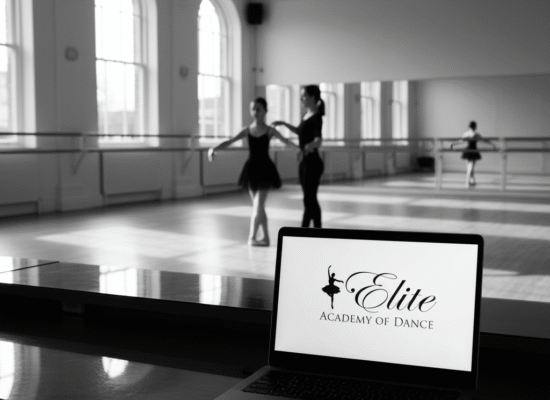
There is a moment every ballet parent and young dancer knows well. The class is progressing beautifully, the technique is growing stronger week by week, and then the question surfaces: "When do I get to go on pointe?" It is one of the most exciting milestones in classical ballet training, and it is completely understandable that dancers and their families are eager to reach it. But pointe work is also one of the most misunderstood stages of the journey, and getting the timing right matters enormously.
So let us break it all down, clearly and honestly, because understanding what pointe work actually involves will help you appreciate just how significant this milestone truly is.
What Exactly Is Pointe Work?
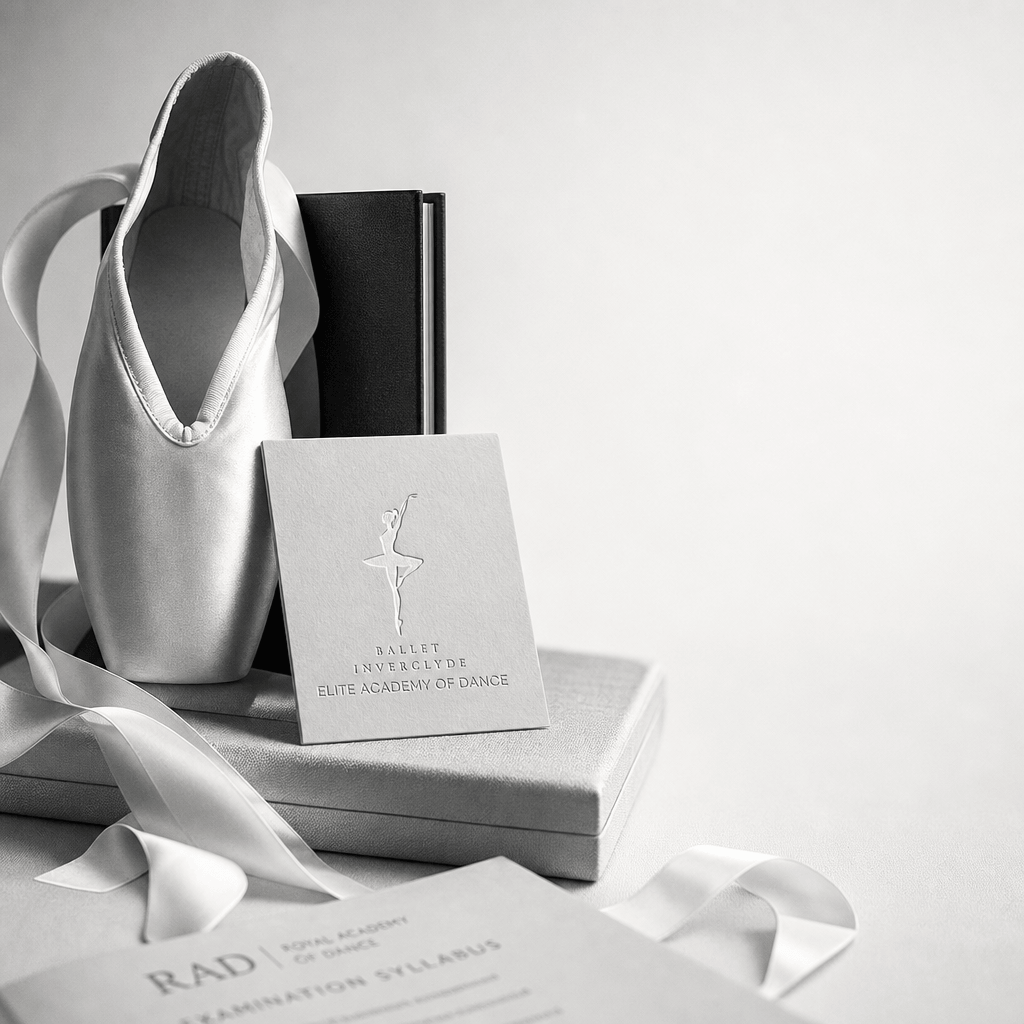
Pointe work is the practice of dancing on the very tips of the toes, supported by specially constructed pointe shoes with a hardened box at the toe and a stiffened shank running the length of the sole. When a dancer rises onto pointe, she is transferring her full body weight onto an incredibly small surface area, requiring exceptional strength, balance, and control throughout the entire body.
The image most people picture is effortless and ethereal. The reality is that achieving that quality takes years of dedicated foundation work. That foundation is not just desirable; it is essential for keeping dancers safe.
Why Rushing Into Pointe Work Is a Real Risk
The bones in a young dancer's feet are still developing well into the teenage years. The growth plates, which are the areas of softer cartilage near the ends of the bones, are particularly vulnerable. Beginning pointe training before these plates have sufficiently matured can cause lasting damage that affects a dancer for life.
This is why responsible teachers, including our team here at Elite Academy of Dance, take the readiness assessment process seriously. It is not about holding a dancer back; it is about protecting their long-term potential and keeping the joy of dancing intact.
The Key Readiness Factors We Look For
Age is the first consideration. Most specialists and the Royal Academy of Dance recommend that pointe training should not begin before the age of eleven, and in many cases twelve or thirteen is more appropriate. Every child develops differently, so age alone is never the sole deciding factor, but it is the starting point.
Years of consistent training matter just as much. A dancer who has been attending regular, structured classes and working through a progressive graded syllabus will have built the muscle memory, body awareness, and technical foundations that pointe work demands. We look for a minimum of several years of graded training as a baseline.
Core and ankle strength are critical. A dancer needs to be able to hold a strong, stable relevé on one foot, demonstrate solid control through the ankle, and show genuine engagement through the core and hips. If the ankles are rolling inward or the alignment is inconsistent, the body is simply not yet equipped to manage the additional demands of a pointe shoe.
Foot and ankle flexibility, combined with the strength to control that flexibility, is another important marker. A beautiful high arch with no corresponding strength to support it is actually a risk factor rather than a green light. Strength and flexibility must develop together.
Technical quality in class also tells us a great deal. Are the basics secure? Is the dancer showing clean lines, reliable turnout from the hip, and musical awareness? These qualities signal that the body and mind are ready to absorb and apply the new demands of pointe training safely.
What Pointe Classes Look Like With Us
Our Pointe Classes at Elite Academy of Dance are designed to build strength and artistry in equal measure. Each class helps dancers rise with precision and expressive quality, refining the technique that will enhance their stage presence and performance over time. We follow the internationally recognised Royal Academy of Dance syllabus, which means our approach is structured, progressive, and grounded in best practice.
Pointe work is not just about standing on your toes. It is about developing a whole new level of artistry, and we love watching our dancers grow into it with confidence.
Ballet Is a Journey Worth Starting at Any Stage
One of the things we are most proud of is that ballet here is genuinely for everyone, not just those working toward pointe. Whether your child is taking their very first steps in our Pre-School Ballet classes, where a lifelong love of movement truly begins, or progressing through our Graded Ballet programme that builds strength, poise, and technical excellence level by level, there is a place for every dancer with us.
For adults who have always wanted to try ballet or who are returning to it after years away, our Adult Ballet Classes are open to all abilities. You will build strength, flexibility, and real confidence in a warm, welcoming environment where no one takes themselves too seriously and everyone has a genuinely good time.
And for those aged 50 and above, our Silver Swans programme offers something truly special: graceful, social, and uplifting classes designed to improve balance, mobility, and wellbeing. It is proof, week after week, that it is never too late to begin.
Across every class we offer, the benefits go far beyond the studio floor. Confidence, posture, creativity, and physical strength all grow steadily through regular training, and the friendships formed along the way are often among the most cherished. Ballet has a wonderful way of building community, and our studio in Greenock is a genuinely joyful place to be part of.
Ready to Find Out More?
Whether you are the parent of a young dancer curious about their path toward pointe, an adult who has always wanted to give ballet a go, or someone looking for an uplifting way to stay active and connected, we would love to welcome you. Explore all of our classes and find the perfect fit at balletinverclyde.co.uk and take the first step toward something wonderful.